Culpepper Out Again at Dispatch After Listing Newspaper Itself as His Emergency Contact
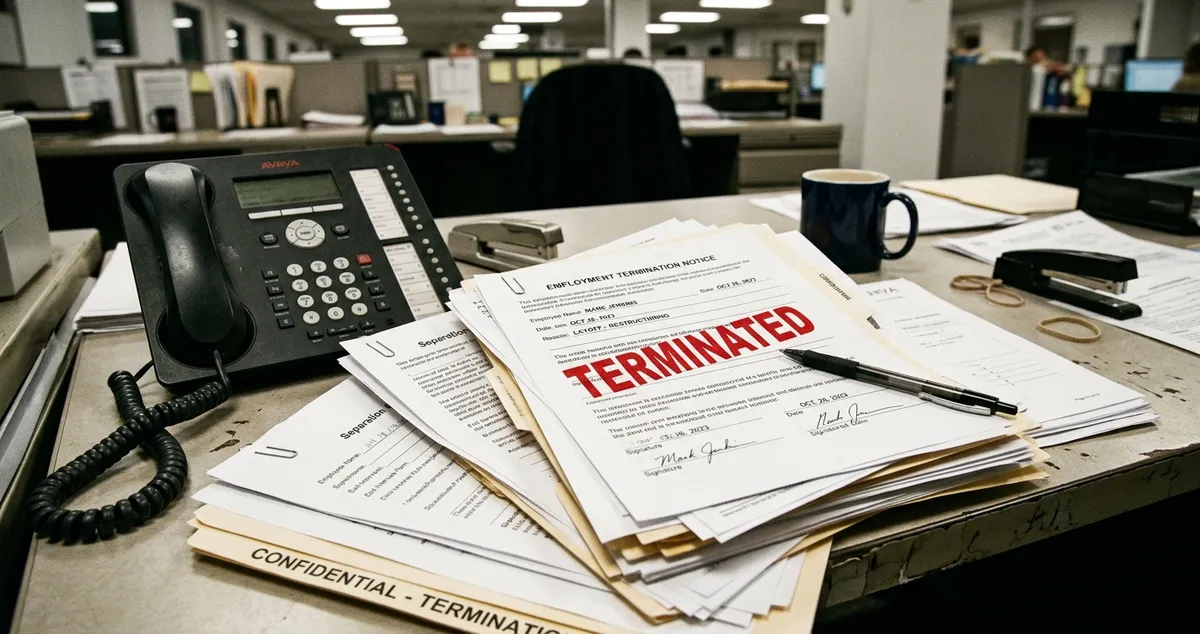
The Windy City Dispatch has, for the third time this month, terminated reporter Dennis Culpepper. The cause, according to an internal memo obtained by this reporter: Culpepper listed the newspaper’s main switchboard number as his emergency contact, his next of kin, and his primary personal reference on all employment paperwork.
This is not a metaphor. He literally wrote “The Windy City Dispatch, (312) 555-0174” in every emergency field on his onboarding forms — forms he has now filled out three times, each time with the same answer.
“We didn’t catch it the first two times because, frankly, nobody reads those forms,” said HR Director Maureen Stokes, who discovered the issue during a routine audit prompted by what she described as “a general sense that something about Dennis’s file wasn’t right.” The audit also revealed that under “relationship to emergency contact,” Culpepper had written “employer, mentor, home.”
Culpepper, who was rehired last Thursday after his second termination — itself following a first termination, for those keeping score — maintained that his paperwork was filled out in good faith. “The Dispatch is the most important thing in my life,” he told this reporter by phone. “If something happened to me, who would I want to be called? The place that matters most. That’s just logic.”
When asked whether he had any family or friends who might serve as a more conventional emergency contact, Culpepper said, “I have a cousin in Schaumburg, but he doesn’t pick up.” He added, “The Dispatch switchboard picks up on the second ring. I timed it.”
The discovery set off a chain of administrative consequences that HR described as “small but cascading.” Because the paper’s switchboard was listed as Culpepper’s emergency contact, two automated systems had been routing his benefits notifications and health plan confirmations to the front desk receptionist, who had been receiving and deleting them under the assumption they were spam. Culpepper’s dental insurance was never activated.
Stokes said the paperwork issue alone would have warranted a “serious conversation,” but the decision to terminate was ultimately based on what she called “cumulative organizational impact.” She declined to elaborate but gestured broadly at a filing cabinet she identified as “the Culpepper cabinet,” which appeared to contain at least forty pages of documentation from his three tenures totaling fifteen business days.
Managing editor Linda Choi, who has now approved three separate terminations and three separate hirings of Dennis Culpepper, released a statement that read, in full: “We wish Dennis well. Again.”
Culpepper’s published work — three articles across three tenures, each written on his first day — continues to perform well on the Dispatch website. His most recent piece, on a proposal to standardize elevator small talk, was shared over nine hundred times on social media, a fact that Culpepper cited as evidence of his value. “My per-article average is excellent,” he said. “If you look at it on a per-tenure basis, I’m one of the most productive reporters you’ve ever had.”
He did not rule out a fourth return. “The Dispatch is my home,” he said. Then, after a pause: “Literally. I put it on the form.”